Overview
Spain operates 10 Low Emission Zones known as ZBE (Zonas de Bajas Emisiones). Major cities including Madrid, Barcelona, Bilbao, and Seville have established ZBEs that restrict vehicle access based on the DGT environmental label system. Since 2023, all Spanish municipalities with over 50,000 inhabitants are required to establish a ZBE.
The DGT (Dirección General de Tráfico) classifies vehicles into five categories: Zero Emissions (0), ECO, C, B, and A (or no label). Vehicles without any DGT label are generally banned from all ZBEs. The specific restrictions vary by city, with Madrid and Barcelona having the most established and strictly enforced zones.
Regulations
Spain uses the DGT environmental label system to classify vehicles. The labels are: 0 (Zero Emissions) for electric and plug-in hybrid vehicles, ECO for hybrids and CNG/LPG vehicles, C for petrol Euro 4+ and diesel Euro 6+, B for petrol Euro 3 and diesel Euro 4-5, and A or no label for older vehicles that do not qualify.
Vehicles without a DGT label are banned from entering ZBEs. The fines vary by city but are typically €200 for unauthorized entry. In Madrid (Madrid 360), fines can be issued automatically through camera enforcement.
Foreign-registered vehicles are not issued DGT labels automatically. Visitors must register their vehicle with the local authority or DGT to obtain permission to enter a ZBE. Some cities offer temporary registration through their municipal websites.
Who must comply
ZBE restrictions apply to all motor vehicles, including passenger cars, vans, trucks, motorcycles, and mopeds. The specific restrictions depend on the city and the DGT label category.
- Vehicles with label 0 or ECO: Always allowed in all ZBEs, often with additional benefits like free parking
- Vehicles with label C: Generally allowed in most ZBEs (petrol Euro 4+, diesel Euro 6+)
- Vehicles with label B: Allowed in some ZBEs but restricted in others, especially during high-pollution episodes
- Vehicles without a label: Banned from all ZBEs (petrol pre-Euro 3, diesel pre-Euro 4)
- Foreign vehicles: Must register with local authorities; the DGT label system does not automatically apply to foreign plates
- Motorcycles & mopeds: Included in restrictions, must have an appropriate DGT label
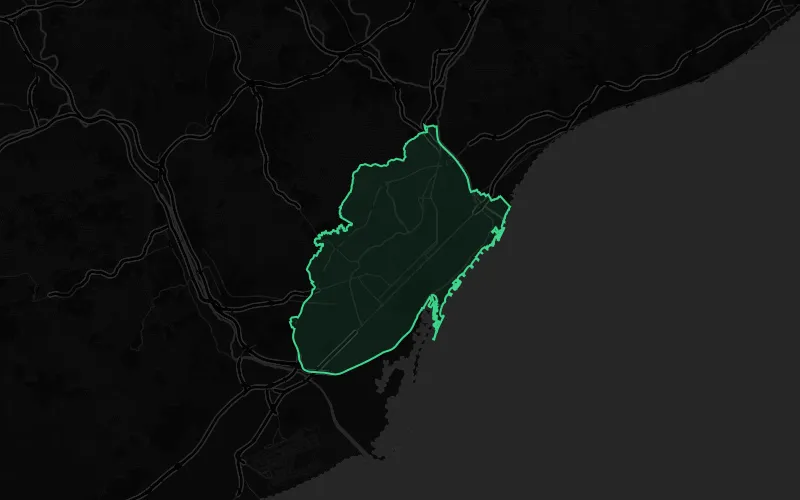
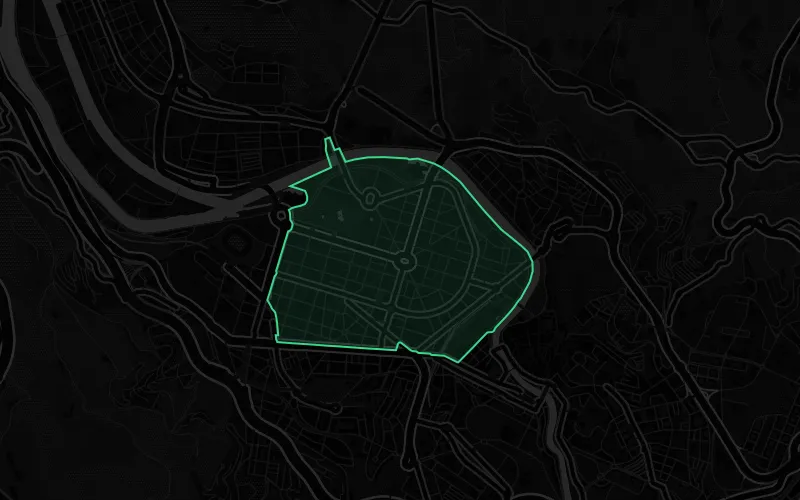
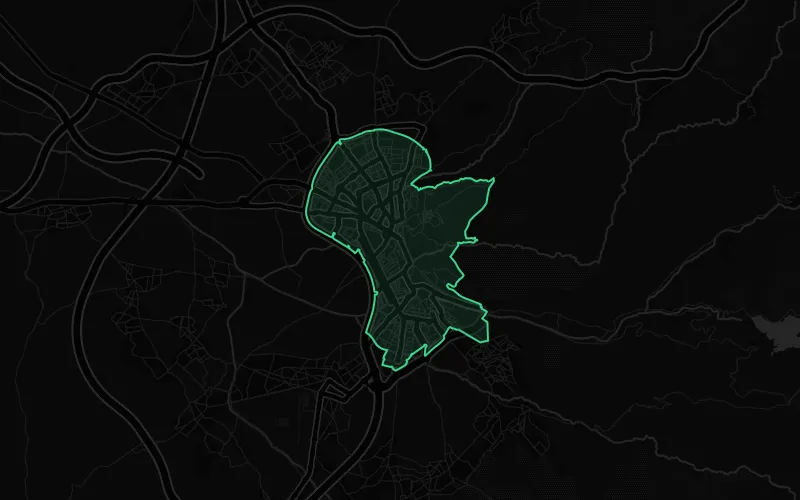
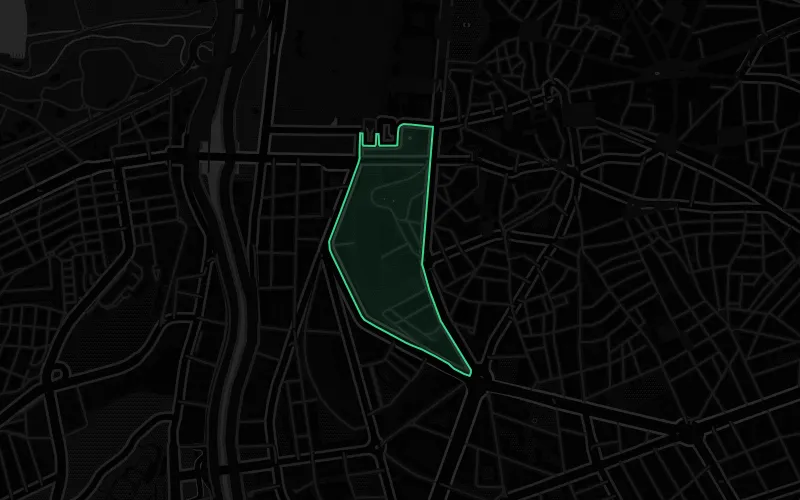
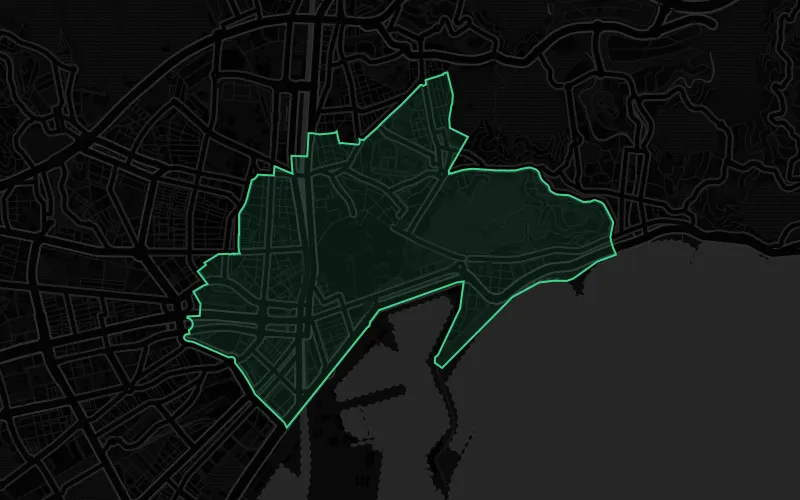
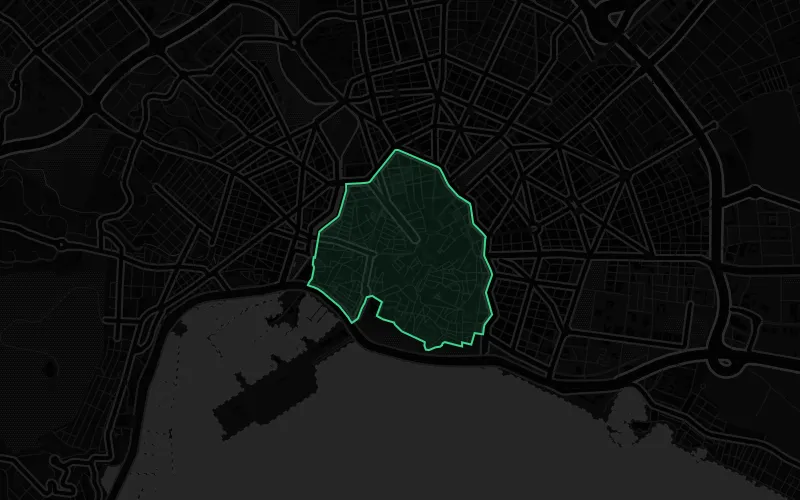
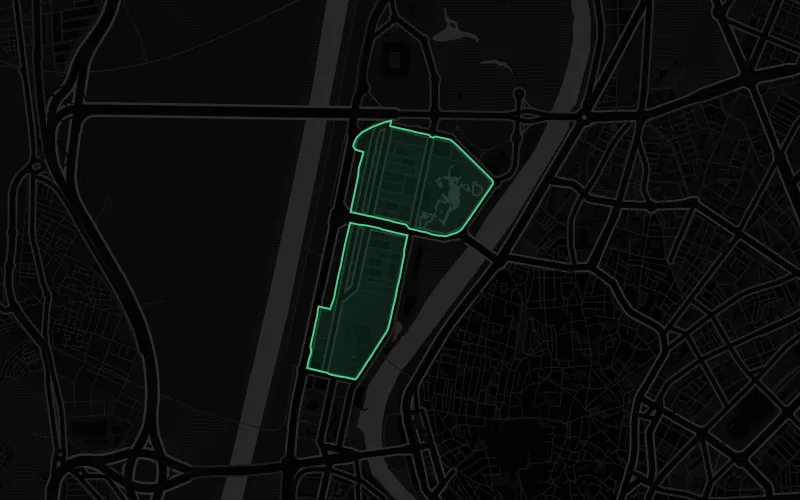
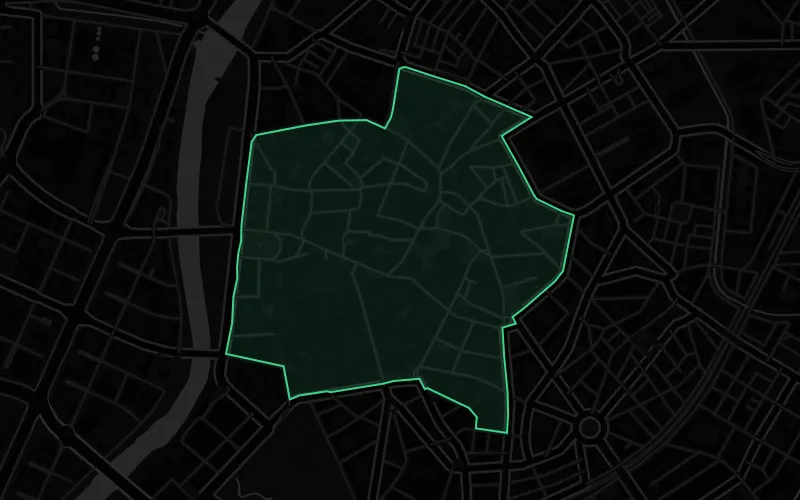
Zones — 10
Frequently asked questions
Check your vehicle compliance
Use our API to instantly verify if your vehicle can enter any of Spain's 10 Zonas de Bajas Emisiones, from Madrid to Barcelona.
API Reference →