Overview
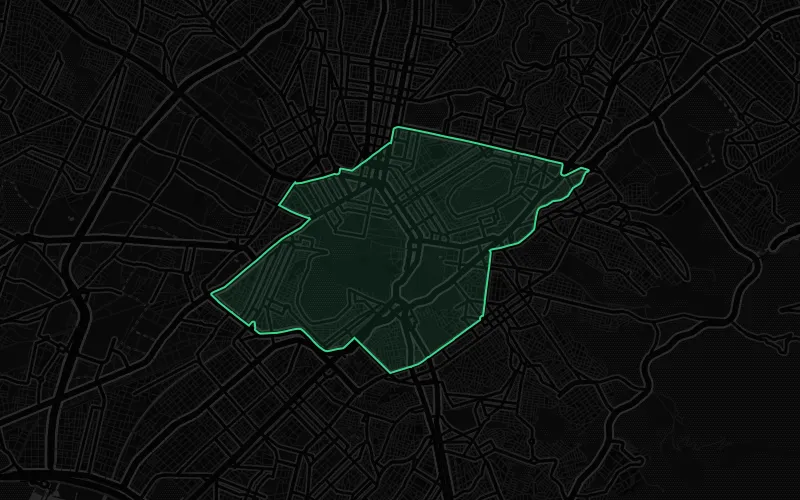
Greece operates one Low Emission Zone in Athens known as the Daktylios (Δακτύλιος, meaning "the Ring"). Established in 1982, it is one of Europe's oldest traffic restriction schemes, controlling vehicle access to central Athens based on license plate numbers and vehicle emissions.
The Daktylios restricts vehicles using an odd/even license plate system during winter months (October through March) and on days when air pollution exceeds safe thresholds. Vehicles with license plates ending in an odd number may drive on odd-numbered dates, and even-numbered plates on even-numbered dates.
In addition to the plate-based alternation, older vehicles that do not meet minimum emission standards may be permanently banned from the zone regardless of their plate number.
Regulations
The Athens Daktylios operates under a dual restriction system combining license plate alternation with emission-based rules:
- Odd/even plate rule: Vehicles with plates ending in an odd digit may enter on odd calendar dates; even-digit plates on even dates. This applies during activated periods (winter months and high-pollution days).
- Emission restrictions: Older petrol vehicles (pre-Euro 1) and older diesel vehicles (pre-Euro 3) may be banned from the ring zone entirely during activation periods.
- Activation: The scheme is activated during winter months (October–March) and on additional days declared by authorities when pollution levels are high.
Fines for violations range from €100 to €200, depending on the type of infringement and whether the vehicle is also in breach of emission requirements.
Foreign-registered vehicles are also subject to these restrictions when driving within the Daktylios zone.
Who must comply
The Daktylios restrictions apply to all private passenger vehicles entering central Athens during activation periods. The following rules determine compliance:
- Private cars: Subject to the odd/even plate rule and emission standards
- Electric & hybrid vehicles: Fully exempt from all restrictions
- Newer vehicles (Euro 6): Often exempt from the plate alternation rule
- Taxis and public transport: Exempt from the odd/even rule
- Motorcycles and mopeds: Exempt from restrictions
- Residents within the zone: May apply for exemption permits
Zones — 1
Frequently asked questions
Check your vehicle compliance
Use our API to instantly verify if your vehicle can enter the Athens Daktylios zone based on your plate number and emission standard.
API Reference →